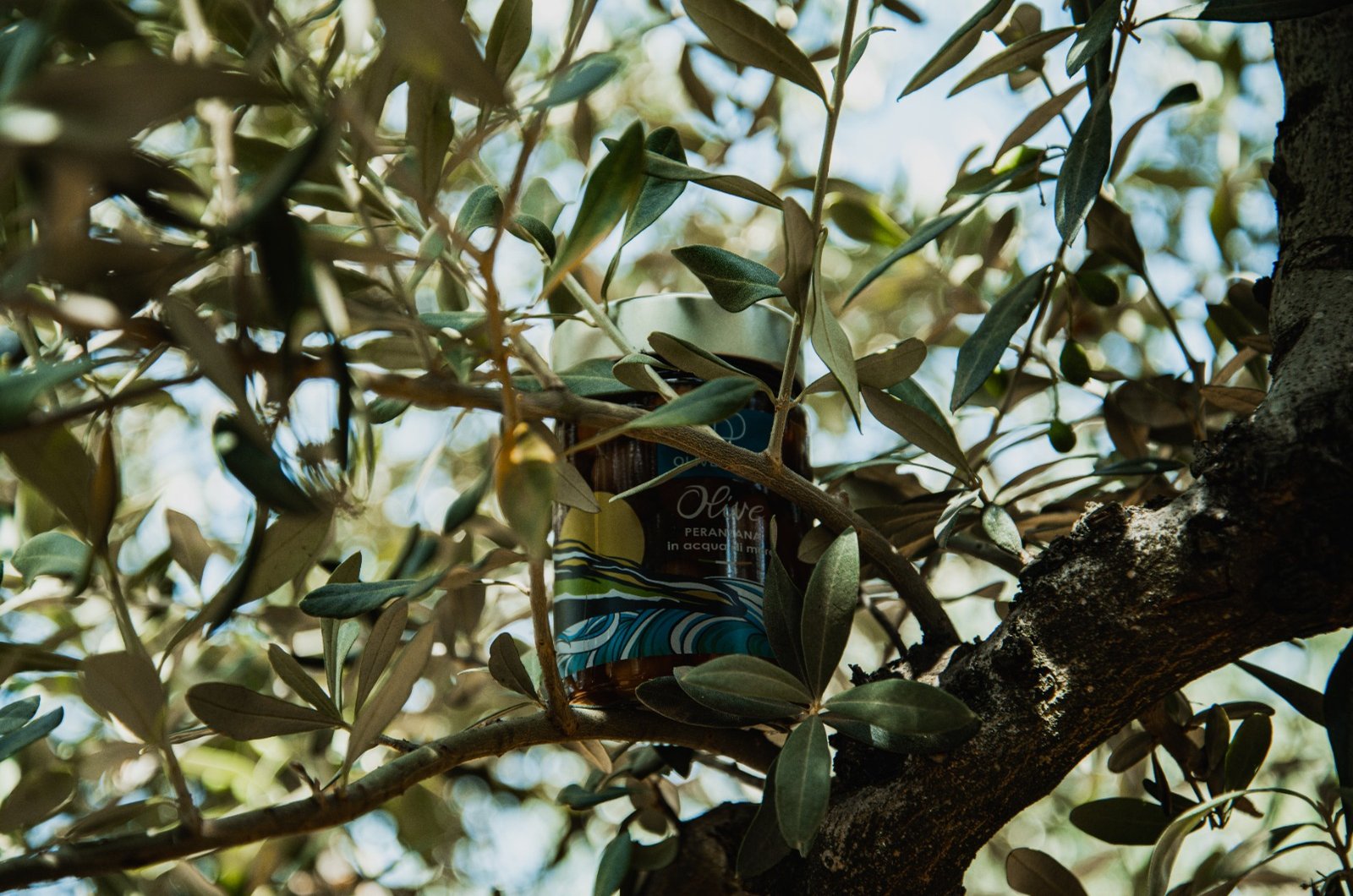
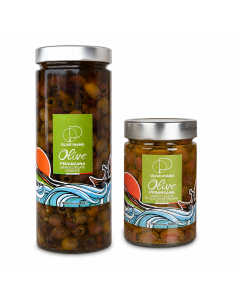
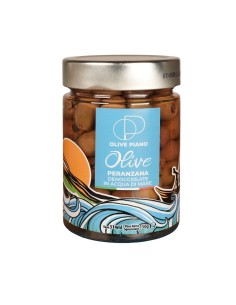
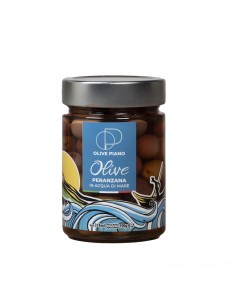
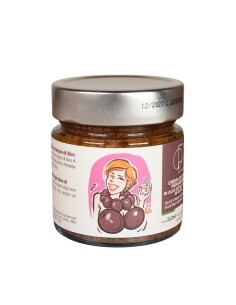
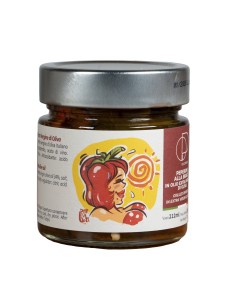
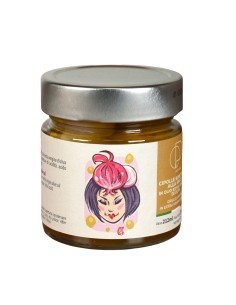
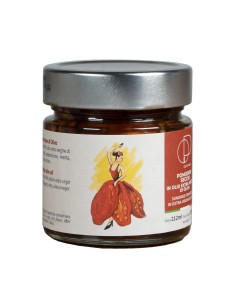
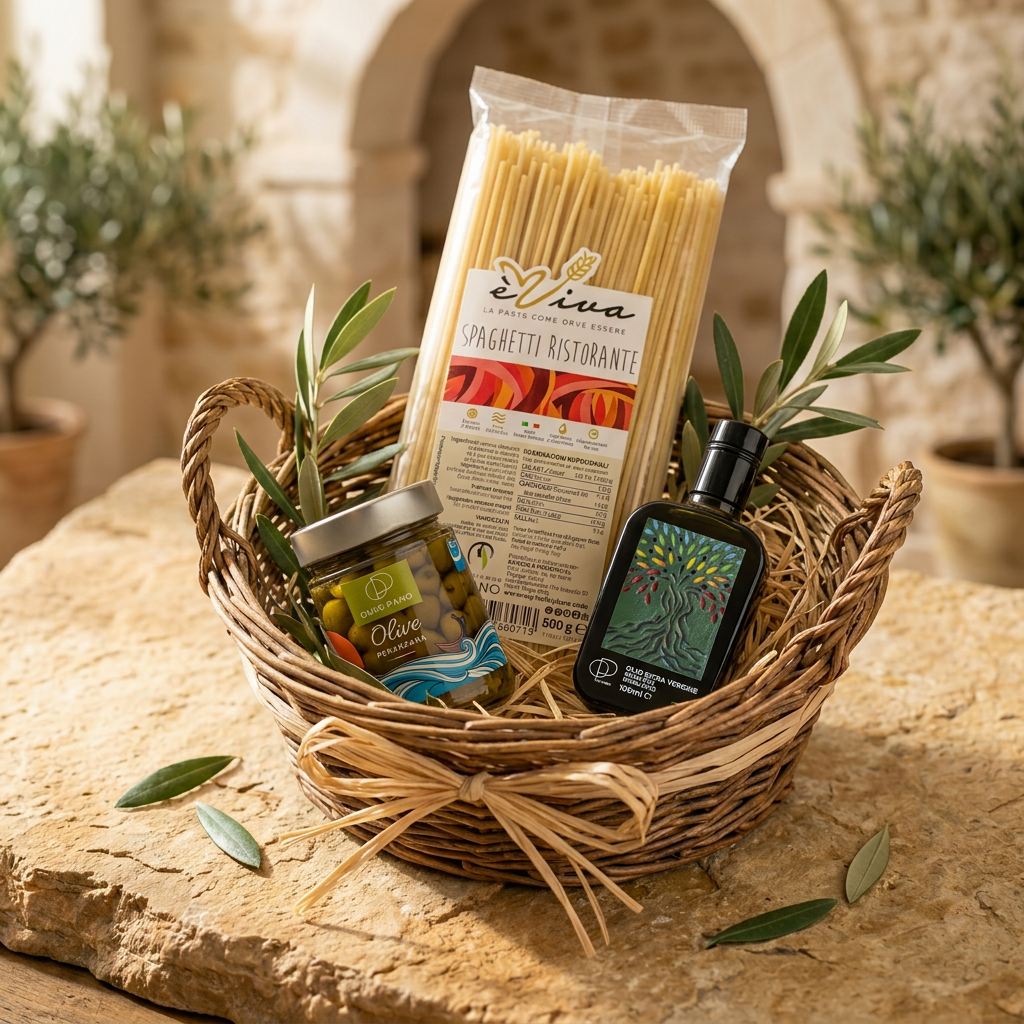
PERANZANA OLIVES IN SEA WATER
How is Peranzana olive in sea water born?
One day, I asked myself how were born the olives in Brine (Greek method), while I was doing research, I came across a legend telling of a Greek fisherman, who while launching the nets in the water near the coast saw that there were some olives floating in the sea water, he intrigued picked one up and after observing it for a moment, took it to his mouth to taste it.
With great amazement the fisherman after tasting the olives, he realized that they had lost their bitter taste.
At this point I began to make my deductions and asked myself: The salt in antiquity was a valuable food and was used for this as a currency. Is it possible that ancient Greeks have used salt to make brine and not sea that is a natural brine?
I believe that they have utulizzato the sea water to remove the bitterness from olives and for this reason I also started to produce them so too. The sea water I use is purified with mechanical and ionic filters and are currently I'm the unique in the world to produce them with this method.
Features
The common kitchen salt is 100% sodium chloride, while mineral salts dissolved in sea water have the most complete content of mineral salts. This characteristic gives my olives a different scent and a greater nutritional value (- Sodium, + Potassium, + Calcium).
SPICY OLIVES
How is spiced olive born?
From Greek myths to the Bible, olives are the centerpiece and center of Mediterranean history..
In the Roman Empire the olives were served in all dinners, even in the most important ones: as Marziale said, they were both the beginning that the end of the meal, namely they were brought as appetizers, or offered when, finished eating , they were entertaining themselves to drink.
Usually the olives were kept in brine until they had to be to be used, then they were drained and mixed with various aromas and oil (or other). Our company decided to produce them according to one of these recipes.
Features
The final result are scented, crisp and slightly spicy olives.
The Peranzana Spiced Olives are juicy, tasty, with crispy and spicy pulp at the right point. Irresistible! One leads to another.